
 By
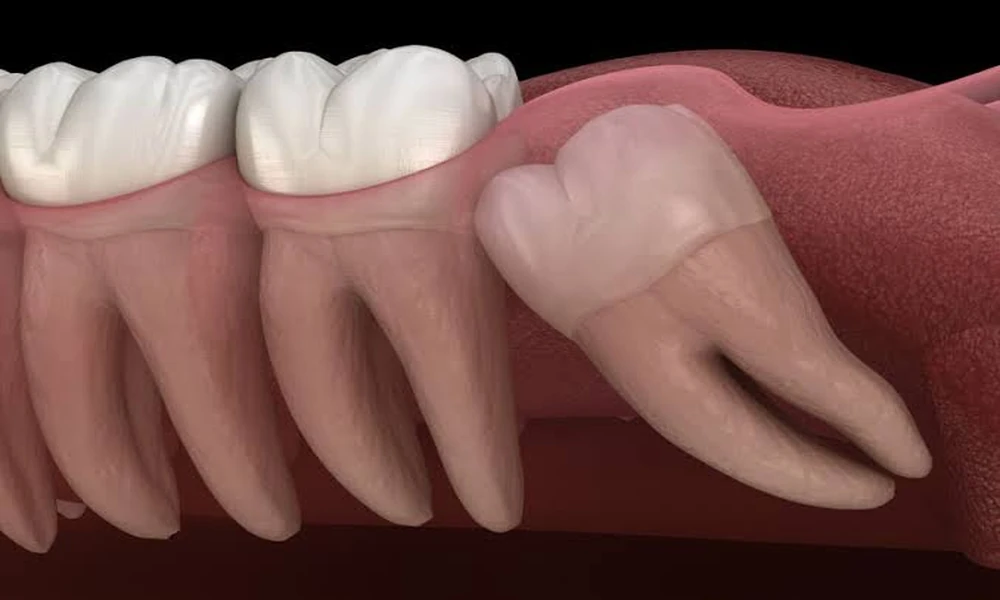
Why Patience Doesn’t Pay Off With Impacted Molars
Most people assume that if a wisdom tooth isn’t currently causing pain, there’s no rush to deal with it. The logic feels sound on the surface: if nothing hurts, nothing is wrong. Dentists hear this reasoning constantly from patients who would rather avoid an oral surgery appointment for as long as possible.
The problem is that wisdom teeth rarely stay quiet forever. Roots continue to develop, and the surrounding bone becomes denser with age, which means a tooth that could have been removed with minimal effort at nineteen often requires a more involved procedure at twenty-nine. Nerve proximity also increases over time in many patients, raising the stakes rather than lowering them.
There’s also a common belief that pain is the only signal worth acting on. In reality, a wisdom tooth can cause slow, cumulative damage to neighboring teeth, create pockets where bacteria thrive, or shift alignment without a single twinge of discomfort. By the time symptoms show up, the underlying issue has often been progressing for months or even years.
This waiting pattern tends to repeat across families, too. Adult children often delay care the same way a parent once did, not because anyone is careless, but because the absence of pain feels like permission to postpone. Breaking that cycle usually requires an actual look at imaging rather than relying on how a mouth happens to feel on a given week.
Reading the Signs Your Mouth Is Actually Giving You
Dentists look for a specific set of clues rather than relying on a patient’s subjective pain scale, and those clues tend to show up well before an aching jaw does. Persistent bad breath that doesn’t respond to brushing, mild swelling near the back molars, or a tooth that seems to be erupting at an odd angle on an X-ray are all signals worth taking seriously. Recurrent low-grade gum irritation around the same spot is another pattern that tends to get dismissed as nothing.
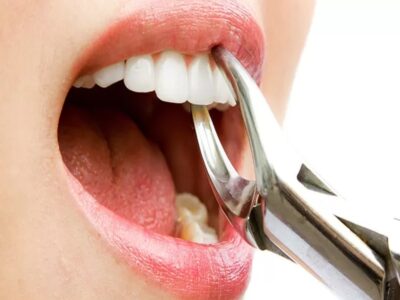
For residents dealing with these signs, wisdom teeth extraction in Utah is frequently recommended not because every patient is in agony, but because imaging reveals a trajectory that’s unlikely to improve on its own. A provider reviewing panoramic X-rays can usually predict whether a tooth will cause crowding or infection down the road, and that prediction is often more reliable than waiting for symptoms to confirm it firsthand. Acting on imaging rather than pain alone tends to produce smoother recoveries and fewer complications during the procedure itself.
Age plays a bigger role in this decision than most people realize. Roots that are only partially formed are easier to remove and the surrounding bone is more pliable, which shortens both the surgery and the healing window. Patients who wait until their thirties or later sometimes face longer appointments, more anesthesia, and a recovery period that stretches on for an extra week or more.
Local climate and lifestyle factor in as well. Many Utah residents stay active outdoors well into the colder months, and scheduling extraction before a busy ski season or hiking stretch gives the jaw time to heal without interrupting activities people genuinely look forward to. Thinking about timing this way turns the decision into something proactive rather than reactive.
Timing the Procedure Around Your Life, Not Just Your Pain
Once someone decides extraction makes sense, the next mistake is scheduling it around the wrong calendar. Picking a date right before a demanding work stretch, a big social event, or finals week sets up a recovery that fights against daily obligations instead of accommodating them. A few days of real downtime matter more than people expect, even for procedures described as routine.
Diet planning in the week leading up to surgery also gets overlooked. Stocking a freezer with soft foods, clearing a weekend of responsibilities, and arranging a ride home from the appointment are small steps that make the first 48 hours noticeably less stressful. Patients who prepare this way tend to report less swelling and a faster return to normal eating, partly because they’re not improvising decisions while still groggy from anesthesia.
Follow-up care is where many people lose momentum, assuming the hard part ends once they leave the office. Rinsing schedules, medication timing, and avoiding straws or vigorous spitting for the first few days all influence how quickly the extraction sites close. Skipping these details doesn’t usually cause disaster, but it does stretch out discomfort that otherwise would have faded within a few days, turning a minor inconvenience into a longer, more irritating recovery.
Communicating with the oral surgeon’s office ahead of time also helps more than people expect. Asking about sedation options, expected downtime, and realistic pain management reduces the guesswork that makes recovery feel harder than it needs to be. A short phone call beforehand often prevents the confusion that shows up during the first anxious night after surgery, when questions tend to surface and clear answers are hardest to find.





Comments