
 By
By 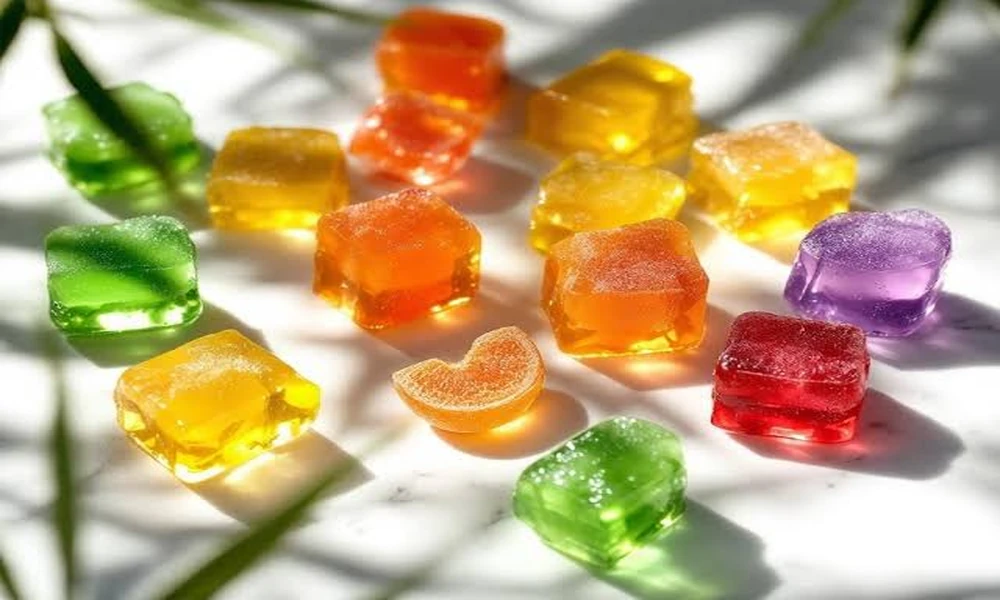
Directory listings such as leafythings sort edibles by strain name, though real assessment comes from lab paperwork rather than category labels. Sheets covering dose size, cannabinoid content, and added ingredients carry the weight here.
Strain naming on gummies works differently from flower, since edibles pass through the liver before anything happens. Anyone judging daytime suitability, therefore, looks at dose per piece, how fast effects arrive, and what else went into the mix.
What do labels reveal?
Labels reveal dose per piece, count per pack, and cannabinoid breakdown. Those three numbers decide more about daytime use than any strain name printed beside them.
- Dose accuracy shifts between makers quite a bit. Testing checks a sample rather than every gummy, so pieces inside one pack differ slightly from each other. Fuller listings publish that spread alongside headline figures, showing how tight production control runs.
- Cannabinoid mix matters as much as the raw dose. Products pairing THC against CBD behave differently from THC alone, and plenty of daytime versions lean toward that pairing. Smaller cannabinoids show up on longer sheets too, though trace amounts rarely change much.
How is the onset assessed?
Onset assessment covers how fast effects arrive and how long they stay. Ordinary gummies take between thirty minutes and two hours, which makes daytime planning awkward.
Faster versions shorten that wait by breaking cannabinoids into smaller droplets that the body absorbs more readily. Listings note whether a product works that way, since arrival inside fifteen minutes suits a working day better than an unpredictable two-hour gap.
Duration runs separately from arrival. Effects commonly last four to six hours, whatever the starting speed, so anyone planning around working hours accounts for that stretch.
Ingredients affecting alertness
Added ingredients often shape daytime character more than cannabinoid content does.
- Caffeine appears in several daytime versions, adding familiar stimulation alongside cannabinoids.
- B vitamins turn up often, tied to steady energy, though evidence stays thin.
- Terpenes added after extraction shape smell and possibly character, limonene being common.
- Sugar content swings widely, and heavier amounts bring noticeable peaks followed by dips.
Ingredient lists deserve reading straight through, since additions like these change how a session feels.
Judging daytime suitability
Daytime suitability comes down to whether a dose fits around working hours rather than dominating them. Low-dose pieces around two to five milligrams suit that far better than standard ten-milligram versions.
Timing works alongside dose size. Effects lasting four to six hours mean a mid-morning piece runs well into the afternoon, so anyone with commitments later benefits from taking one earlier rather than midway through the day. Splitting pieces gives finer control, and many daytime products come scored for exactly that reason.
Ingredient pairing shifts the picture again. Caffeine-bearing versions land closer to familiar territory for anyone used to coffee, while plain THC versions behave less predictably across working hours. Trying a new product on a free day first tells more than any listing, since individual response varies enormously and no published description predicts one person’s afternoon.





Comments